

Discover who is behind the brand, how it was created, and what our goals are as a responsible brand

The story begins in Peru

The story begins in Peru - image 1
The story begins in Peru - image 2
The story begins in Peru - image 3
The story begins in Peru - image 4
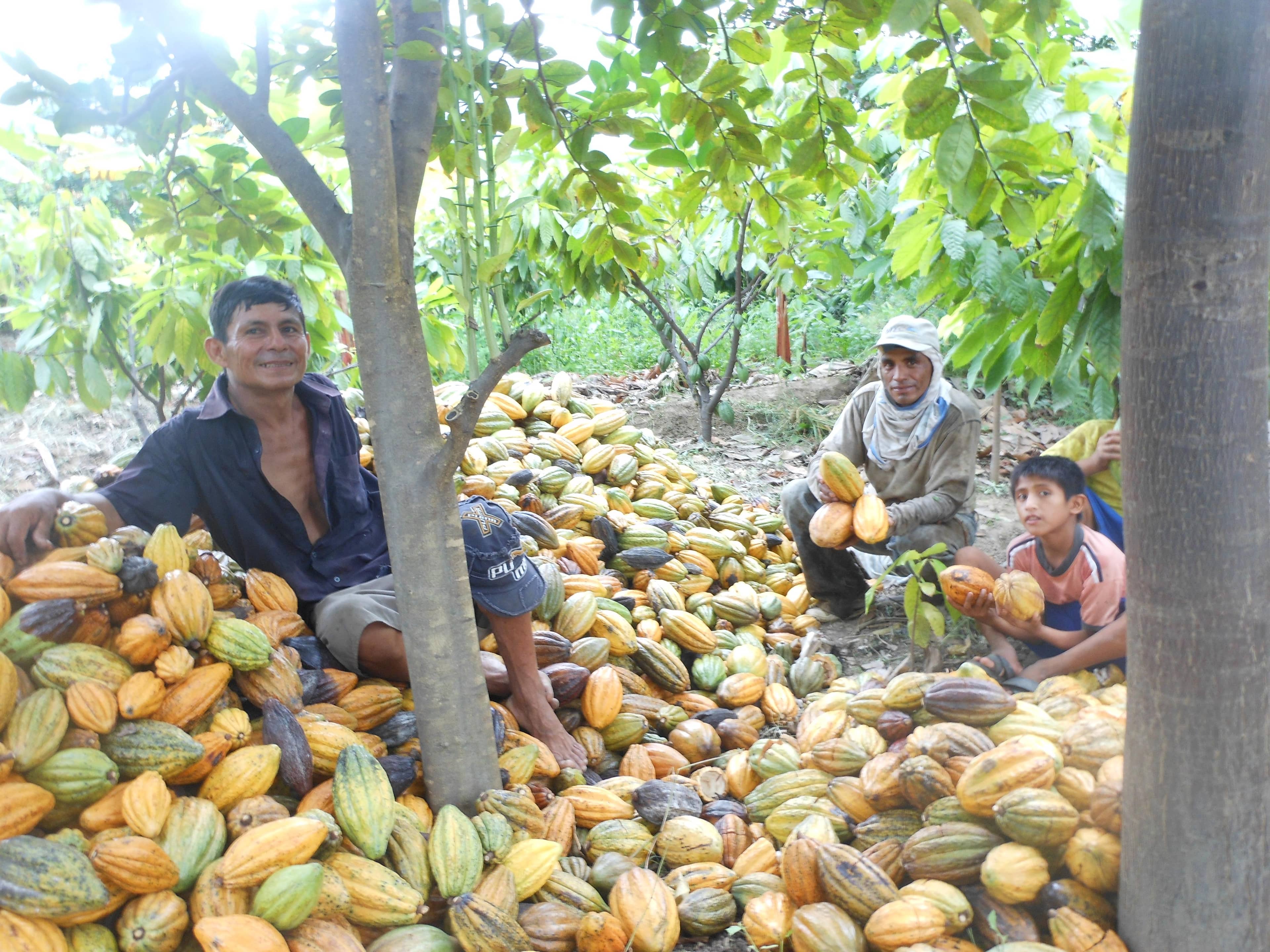
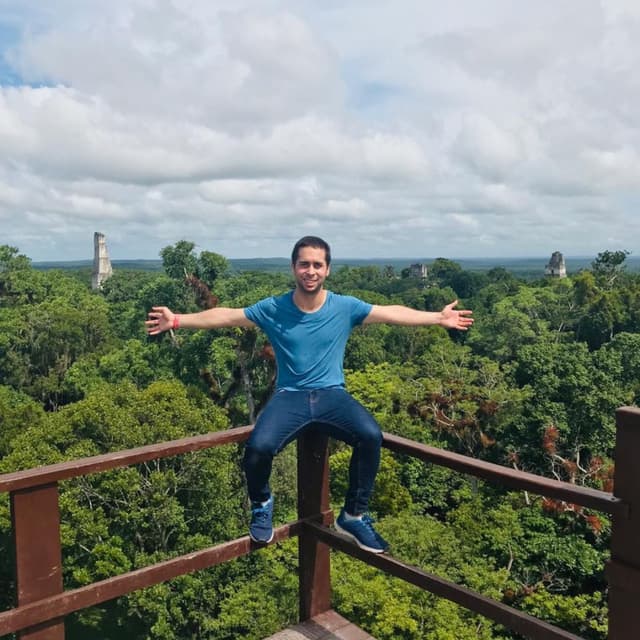
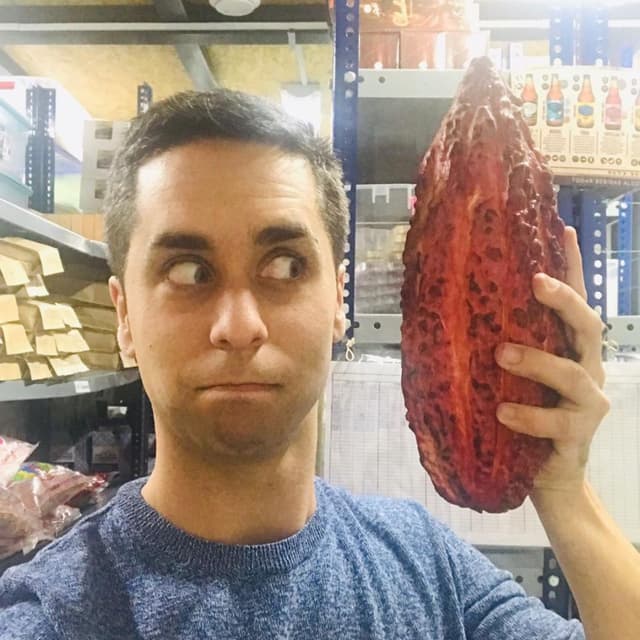
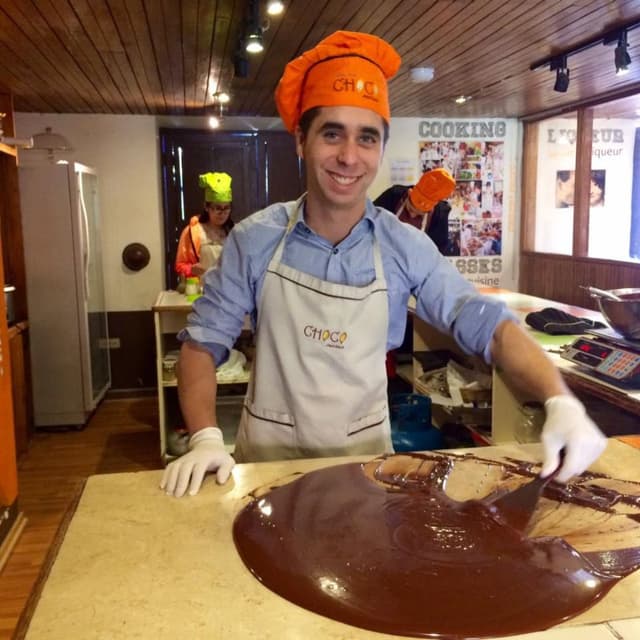
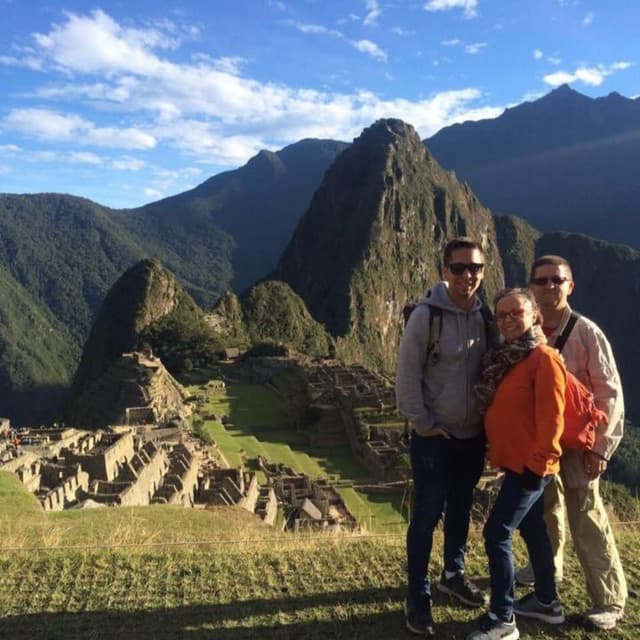
My experience with chocolate began one morning in December 2014 when, in my quest to explore the world, I arrived in Peru to live for a season away from Spain. There I was lucky enough to start working at the Chocolate Museum, where I discovered the wonders of this food, which made me mature and become who I am today. Of all the great experiences and people that most influenced my time in Latin America, I will undoubtedly remember being able to see the natural environment where cacao grows and the great work that farmers do to harvest the cacao and share their knowledge with visitors. There in Peru, the seed of Kina Chocolates began to germinate.
Our Cacao

The importance of traceability

Traceability consists of being able to track the entire cacao production chain, from the cultivation of the cacao bean to its final transport.

The objective is to be able to ensure quality methods in its production, ensuring that the cacao has been worked following quality processes and has been cultivated by adults and professionals.

Origin Cacao

Our cacao comes from specific regions of Latin America, each with its different particularities and attractions. Discover more information here!

Cusco · Peru

Chuncho

Alto Urubamba Cooperative

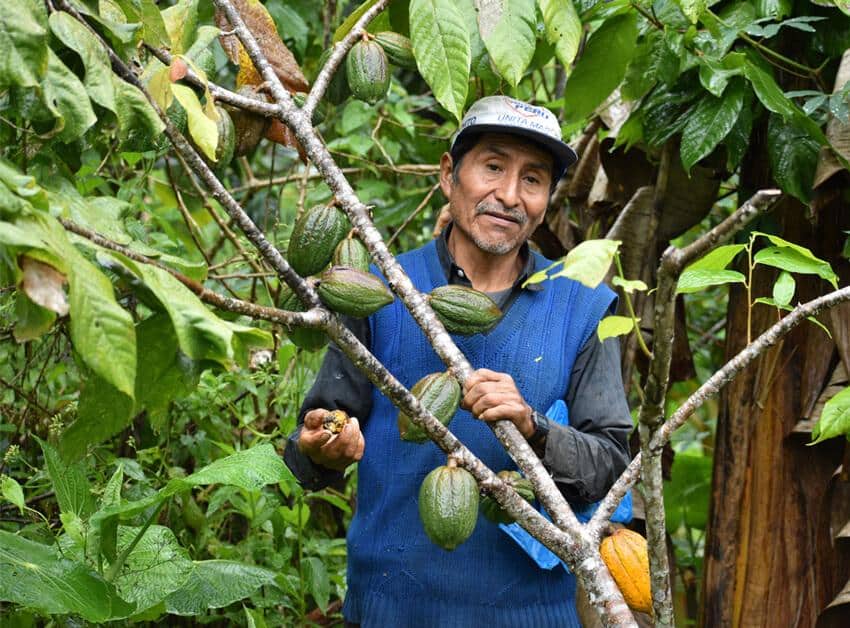
Considered one of the oldest cocoas in the world, Chuncho cocoa grows in the La Convención valley, in Cusco, at the foot of Machu Picchu. Cultivated by small producers from the Alto Urubamba cooperative, this cocoa has been preserved for generations thanks to its extraordinary genetic diversity and traditional management respectful of the environment. Its sensory profile stands out for an elegant combination of floral notes, ripe tropical fruits, honey, and nuts, with a delicate acidity and a long, persistent finish. A complex and balanced cocoa that expresses the richness of the Amazonian Andes like few others. At Kina Chocolates, we select this origin for its authenticity, extraordinary quality, and the cooperative's commitment to sustainable and fair trade production.
Chuncho · 1

Cusco · Peru

Chuncho Blanco

La Florida Farm · Yuri

In Echarati, in the heart of the La Convención Valley, Yuri grows one of the most distinctive treasures of Peruvian cacao: Chuncho Blanco. This rare variety has white or ivory-colored beans, an exceptional genetic characteristic that produces chocolates of remarkable delicacy. Its profile stands out for notes of jasmine, honey, stone fruit, fresh butter and almond, with very gentle acidity and an especially creamy texture. It is an elegant, subtle cacao with great aromatic complexity. We work directly with Yuri because we believe in the value of small producers who preserve unique varieties and help safeguard the genetic heritage of Peruvian cacao.

Chuncho Blanco · 1

Piura · Peru

White Piura

Norandino Cooperative

In the dry forests of northern Peru grows one of the most recognized cocoa varieties in the world: Piura Blanco. The Norandino cooperative brings together hundreds of farming families who cultivate this cocoa sustainably, respecting the ecosystem and ensuring complete traceability from the origin. Its personality is unmistakable: notes of nuts, raisins, mild citrus, and panela predominate, accompanied by low astringency and great creaminess on the palate. We chose this origin because it perfectly represents the elegance of Peruvian white cocoa and the enormous work carried out by Norandino to position it among the best fine aroma cocoas in the world. (appcacao.org)

White Piura · 1

San Martín and Ucayali · Peru

Huallaga Basins

Huallaga Basin Association

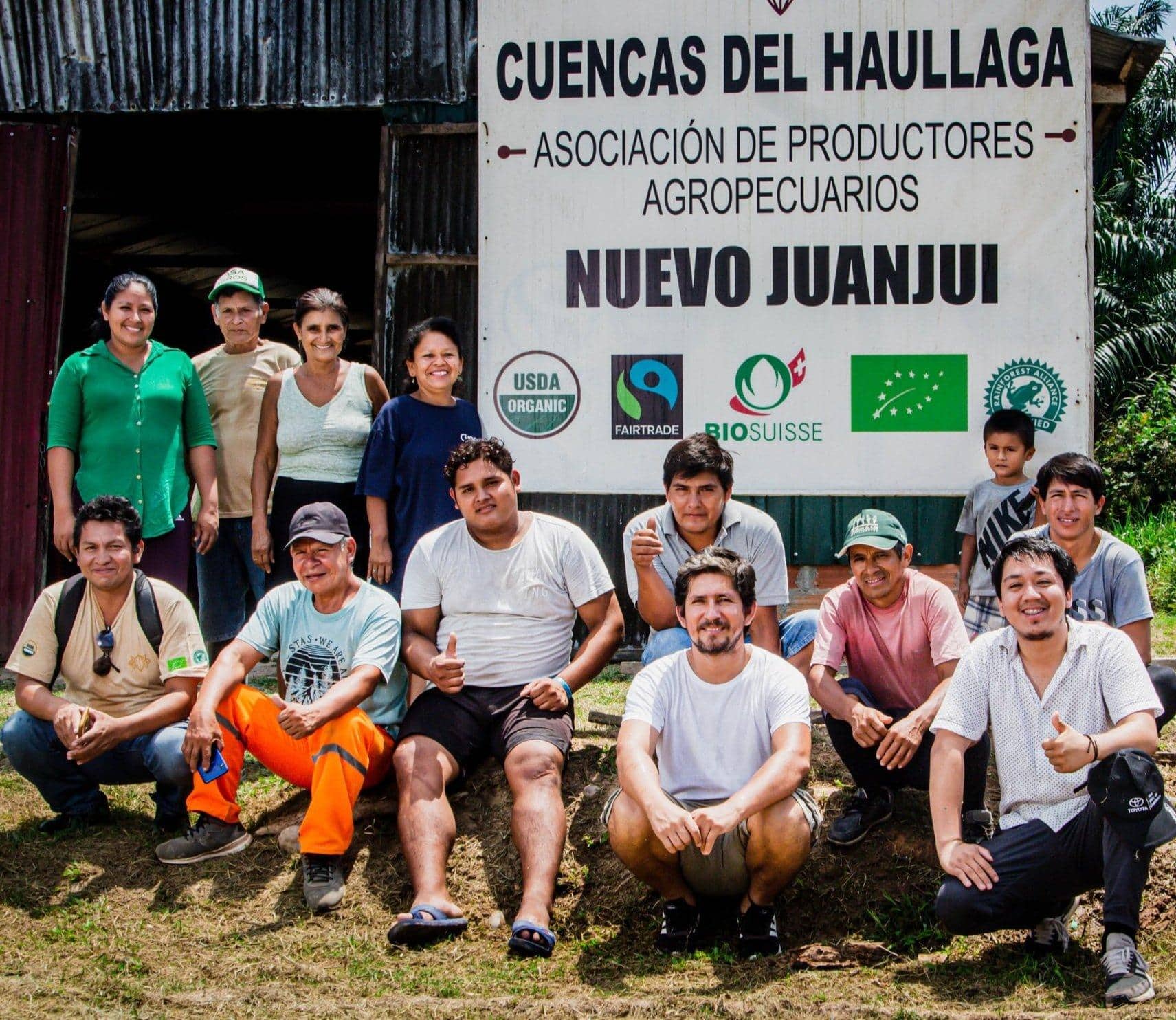
From the heart of the Peruvian Amazon, the Huallaga Basin Association brings together more than a thousand producing families who cultivate organic cacao with international certifications and a strong commitment to sustainability and traceability. Each batch is carefully fermented and dried to express the full aromatic potential of Amazonian cacao. This origin offers an intense and balanced profile, with notes of deep chocolate, red fruits, flowers, nuts, and a pleasant touch of honey. Its low astringency and long aftertaste make it an especially versatile cacao for making single-origin chocolates. At Kina Chocolates, we bet on this cacao for the consistent quality of its batches and the positive social impact it generates in the producing communities of the Peruvian Amazon.

Huallaga Basins · 1

Saint Martin · Peru

Macambo

Chazuta

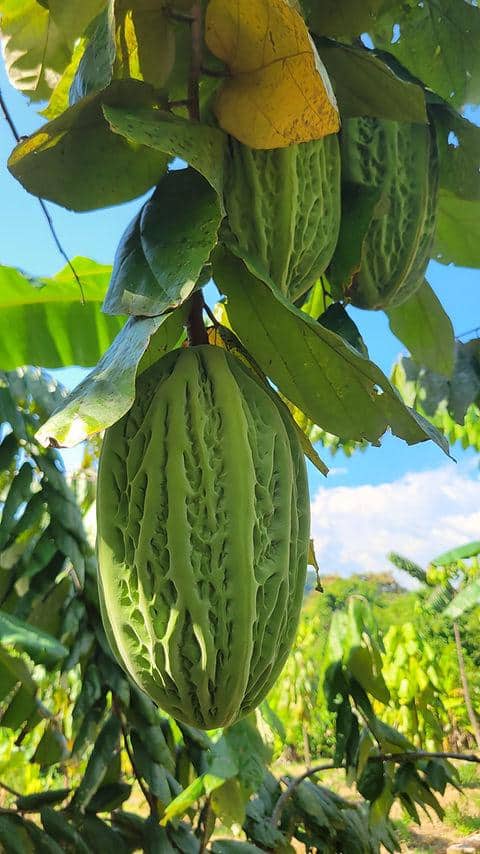
Although popularly known as "white cacao," macambo (Theobroma bicolor) is a sister species of cacao (Theobroma cacao). In the Amazonian town of Chazuta, it has been cultivated for generations, and its seeds have been part of the traditional diet of local communities. Its flavor is reminiscent of nuts, fresh butter, coconut, and toasted almonds, with a surprisingly creamy texture and a very delicate natural sweetness. More than a substitute for cacao, macambo offers a completely different experience. At Kina Chocolates, we work with this extraordinary fruit to bring our customers one of the least known species of the Theobroma genus, highlighting the biodiversity of the Peruvian Amazon.

Macambo · 1
Our Commitment

More than Chocolate

At Kina Chocolates, we believe chocolate can make a positive impact beyond its flavor. Our commitment begins in Gràcia and reaches the communities where our cacao is grown.

Swipe to explore

01/06
Image for Julia's Chakra

Peru

Julia's Chakra

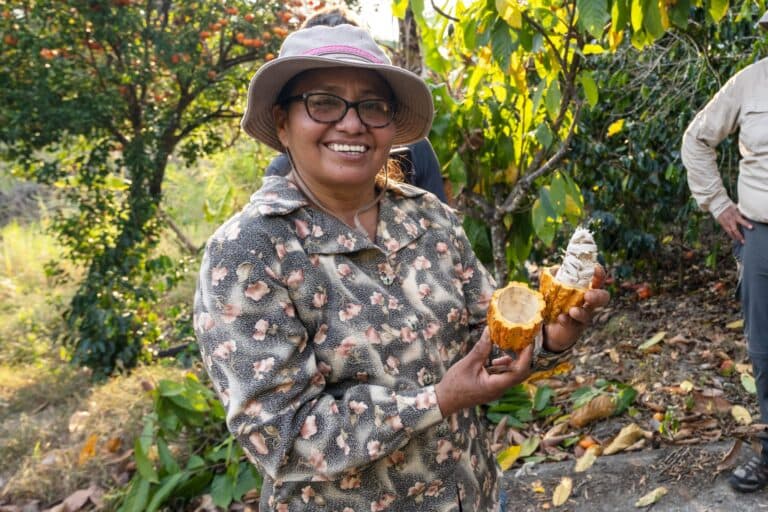
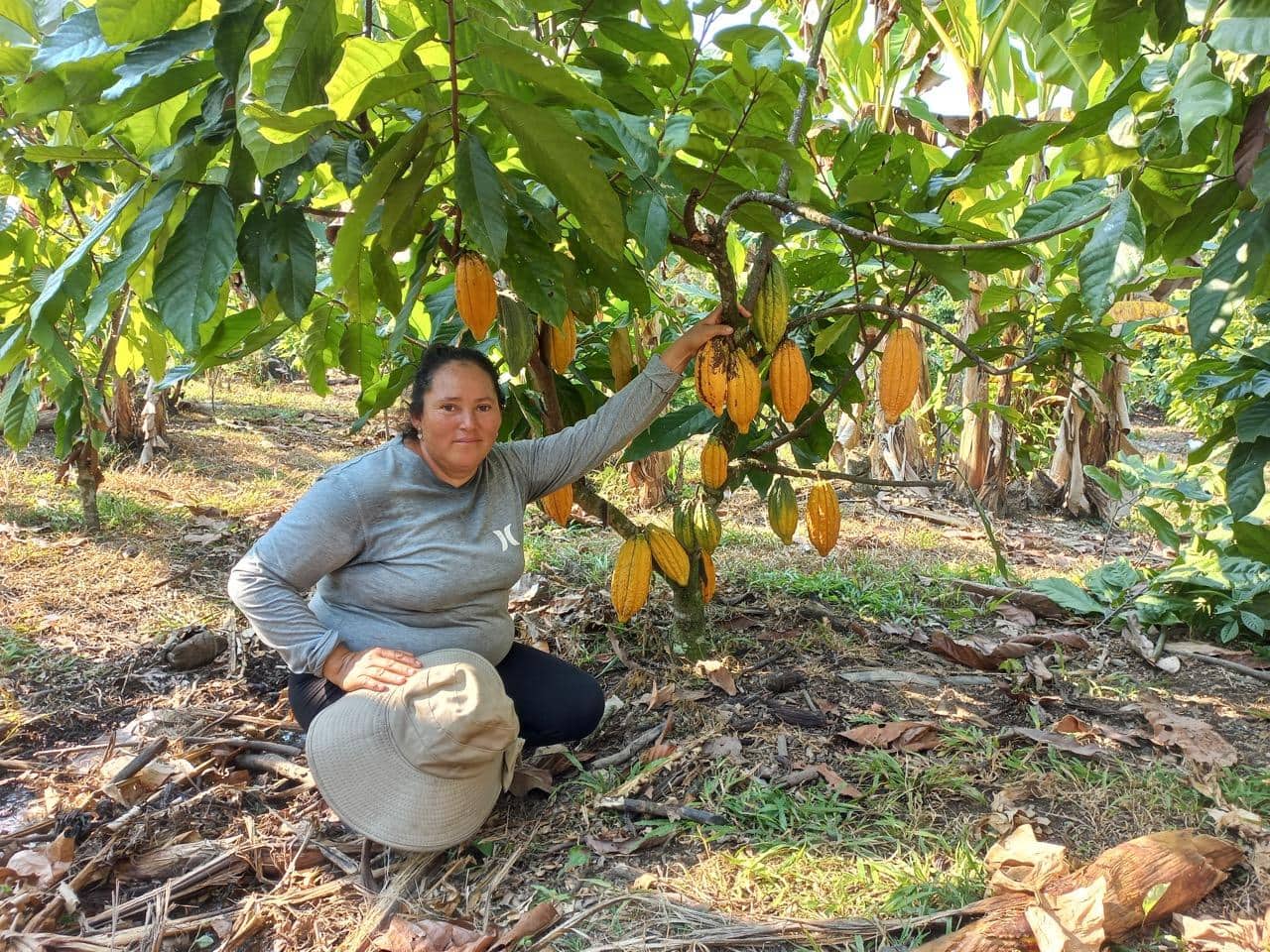
Julia is the owner of the Chakra de Julia, an organic farm located in the Peruvian jungle of Cusco on the way to Machu Picchu, where you can learn about the coffee and cacao process, taste delicious fresh fruits, and discover the various medicinal plants on the farm. From Kina Chocolates we support and promote her project since Julia, besides being a small producer and disseminator of cacao, is the person who taught us so much on the farm where we spent so much time. If you go to Peru, do not hesitate to visit her farm, it is an authentic experience!

Each year, we dedicate part of our resources to this social impact program and collaborate with organizations and projects that share our values. We also publish an annual summary of our actions so you can see the impact made possible by your trust.